

Soothe
Reduce emotional intensity, physical tension and alert responses associated with a difficult experience.
An innovative, gentle mind-body approach to trauma treatment that does not require patients to recount what happened to them or relive the event during a session.

A personalised and whole-person approach to psychological trauma
Some experiences leave an imprint that goes beyond memory. The body may remain on alert, a disturbing emotion or recollection may return unexpectedly, or tension may persist even though the danger has passed.
NBQZ™ aims to restore movement where a response has become fixed. The objective is not to erase personal history, but to reduce the emotional and physical burden associated with it so that the person can regain calm, perspective and freedom in everyday life.
The process is adjusted throughout the session according to what the person feels and the changes observed in the body. Bodily responses help guide the next step rather than applying the same fixed protocol to everyone.
NBQZ™ comes from the Chinese Nǎo Bù Qì Zhì (脑部气滞), which may be translated as « Qi stagnation in the brain region ». Within the theoretical framework of Chinese medicine, it describes a dynamic that no longer circulates freely and maintains reactions that are no longer suited to the present.
The three principles of NBQZ™
Reduce emotional intensity, physical tension and alert responses associated with a difficult experience.
Begin therapeutic work without having to describe the facts in detail or deliberately immerse oneself in the event. The person remains seated and clothed throughout the session.
Develop greater perspective and more flexible responses, rather than continuing to be governed by what belongs to the past.

A method guided by bodily responses
NBQZ™ is not a single technique applied identically to everyone. It combines several assessment and treatment methods selected according to the individual’s history, reactions and changes during the session.
Two people who experience a comparable event do not necessarily develop the same reactions. An experience meets a particular sensitivity, personal resources, a relational and family context, and sometimes patterns learned within the family.
NBQZ™ is systemic : it considers the traumatic event and the personal and family context in which it occurred.

NBQZ™ may be considered when past or recent events continue to cause distress, alert reactions or a loss of freedom in daily life, including after an accident, assault, loss, separation, humiliation, harassment or betrayal.
It may also be used during an initial phase of stabilisation when a person experiences intrusive memories, persistent fear, hypervigilance or physical tension. The approach is adjusted to age, resources, current safety and sensitivity.
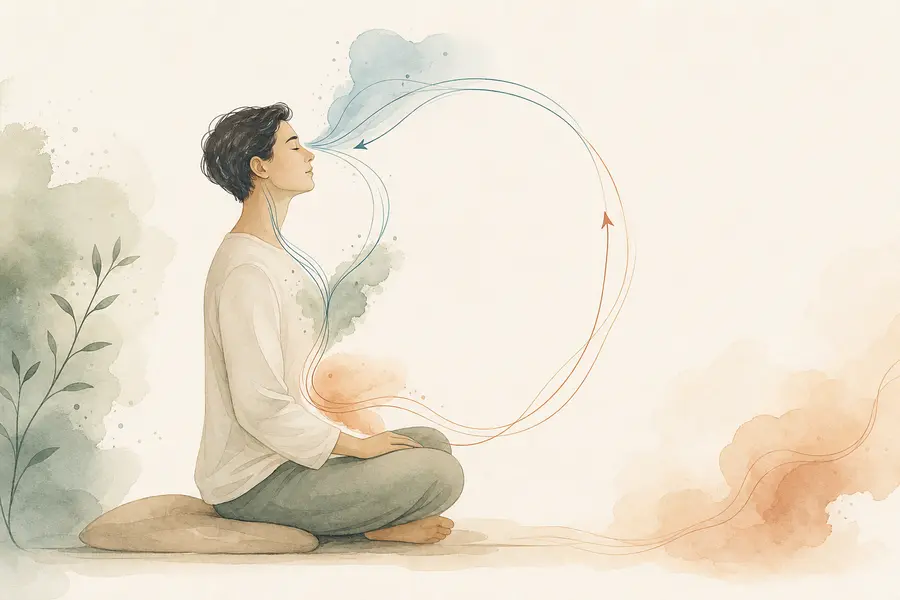
The method combines two complementary directions : from psychological experience towards the body, and from bodily responses towards psychological experience. Emotional intensity, sensations and changes in areas of tension are reassessed throughout the work.
Chinese medicine provides one clinical model for linking points, meridians and emotional patterns. It is not presented as a biomedical diagnosis. A neurophysiological hypothesis involving somatosensory modulation may also guide future research, but does not yet demonstrate the mechanism of action.

Privacy is protected. The person remains seated and clothed. There is no intimate contact and no obligation to describe the event in detail.

The method uses structured observation and repeated ratings during the session. Initial clinical observations are encouraging, but they do not replace independent controlled research. NBQZ™ is presented as a developing clinical approach, not as a scientifically established substitute for validated medical or psychological care.
Discuss your situation
A preliminary discussion can clarify your needs and the most suitable consultation.